



 Construction
 Healthcare
 MEP
MEP
 Consultancy








Most projects now start life inside a framework or governance process. That is usually a good thing: it means someone has thought about risk, quality and value before the first conversation about a specific site. The test comes later, when boots are on the ground and the project team is trying to keep a live estate running while they build.
On some schemes we see governance act as a safety net and a source of clarity. On others it becomes a parallel world of paperwork that does not help the people doing the work. This article looks at a few patterns we see in live environments and some simple ideas that make frameworks and governance feel useful on site rather than distant.

1. One version of the truth for programme and risk
If a project has one programme and one risk register at board level, but different versions at project and site level, people will eventually stop trusting them. In live estates this shows up when an “amber” risk on a report is experienced as a daily problem by staff, or when a critical clinical date is not visible in the construction logic.
The better projects we have seen use framework and governance tools to create a single line of sight. Board level milestones, site activities and live environment constraints are visible on the same plan, with commentary that reads the same whether you are in a ward, a site office or a committee meeting.
2. Decisions that match the tempo of live estates
Governance often assumes monthly or quarterly decision cycles. Live hospital and commercial estates move faster. Isolation windows, decant moves, route changes and safety controls can need decisions in days or hours, not weeks.
Where frameworks work well, they set out which decisions genuinely need to go through formal gateways and which can be delegated to a project or site forum within agreed parameters. That way, governance protects the really important calls and does not slow down the decisions that keep a live programme moving.
3. Framework requirements that are visible on site
Frameworks often come with requirements on HSEQ, social value, reporting and ESG. If these live only in prequalification documents and annual returns, they do not influence the way teams behave day to day.
On projects that feel well governed, those requirements are translated into simple site level expectations: what inductions cover, what inspections look for, what goes on noticeboards and how progress is shared with clients. The framework then feels like a backbone rather than a separate layer.
4. Honest reporting, not performance theatre
Governance breaks down when reports are written to look good rather than to describe reality. In live estates that can mean risks surfacing too late, issues being disguised as “opportunities” and boards being surprised by problems that were well known on site.
We have seen better outcomes where frameworks and client governance actively encourage honest reporting: simple dashboards that highlight real issues, space for narrative, and a culture where bringing a problem early is seen as a strength, not a failure.
5. Governance that joins up client and delivery teams
Finally, governance works best when it brings client, design and delivery teams together rather than treating them as separate audiences. In live estates this means involving estates, clinical or operational leads in forum and gateway meetings and giving site teams a voice in explaining what is happening.
Where this happens, frameworks and governance feel like a shared tool. Where it does not, they feel like something done to the project, not with it.
Frameworks and governance will not build a project on their own, but they can create the context in which good delivery is more likely. In live environments that means focusing less on volume of paperwork and more on clarity, honesty and alignment between what the board sees and what is happening on the floor.
Insights
-

From frameworks to delivery on site
Governance · Frameworks -
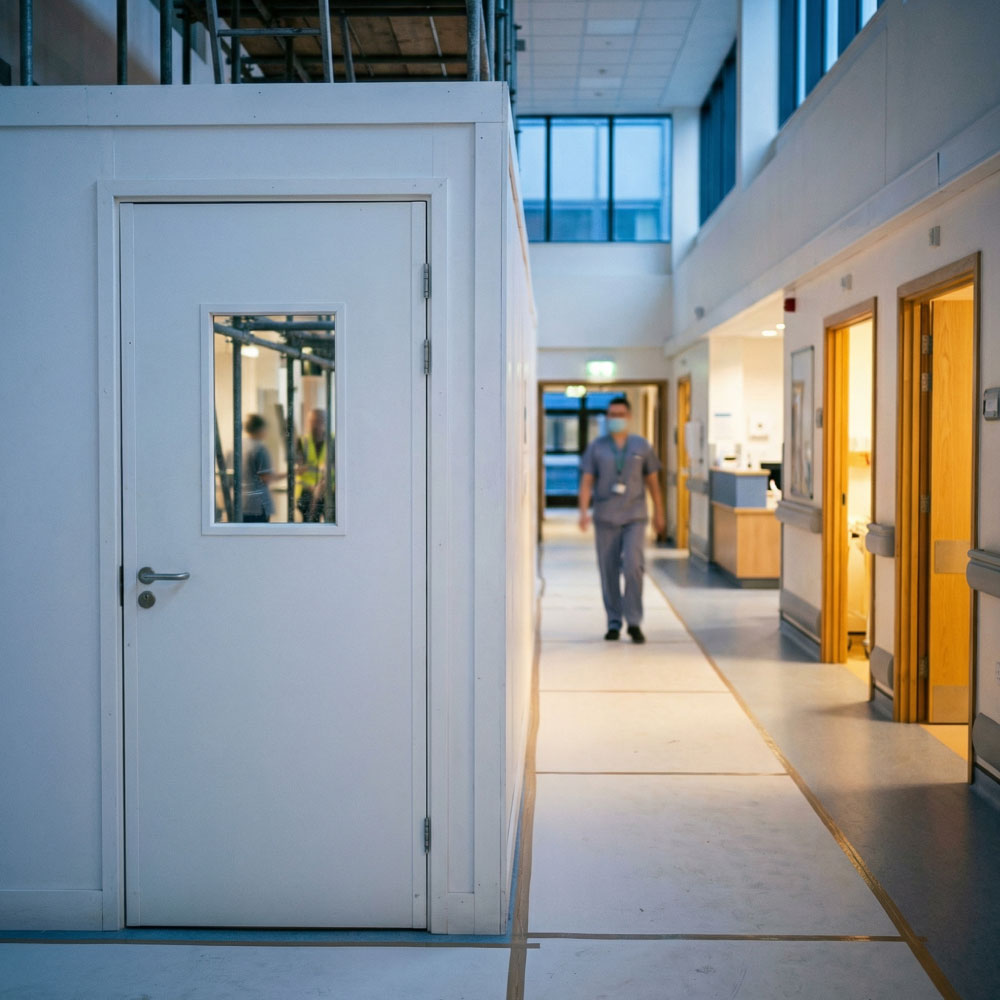
Five lessons from live ward refurbishments
Healthcare · Live environments -
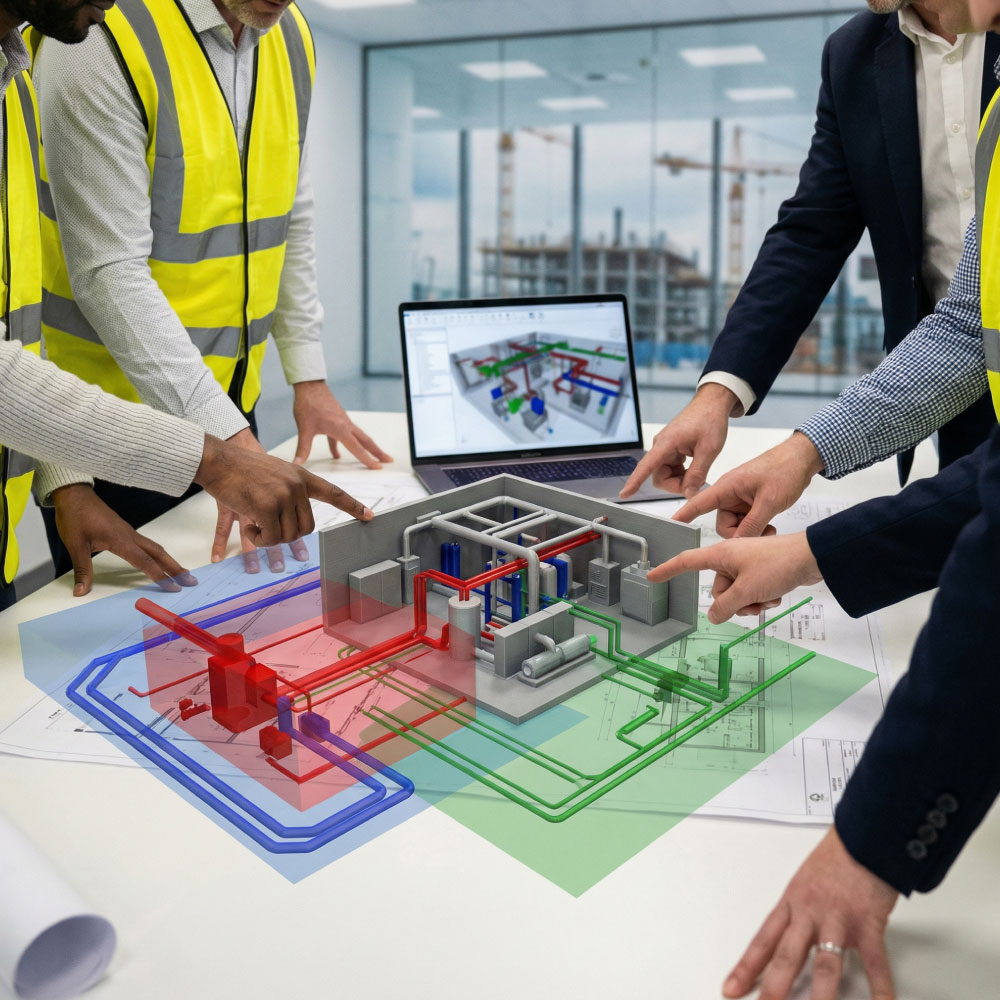
Why integrated teams matter in live estates
Construction · MEP · Consultancy
How we work

Four disciplines, one delivery partner
Wellmens brings together construction, healthcare, MEP and consultancy under one roof. Our teams plan and deliver complex projects in live environments, aligning design, programme and governance so outcomes are safe, predictable and sustainable.


 Construction & Fit-Out
Healthcare Expertise
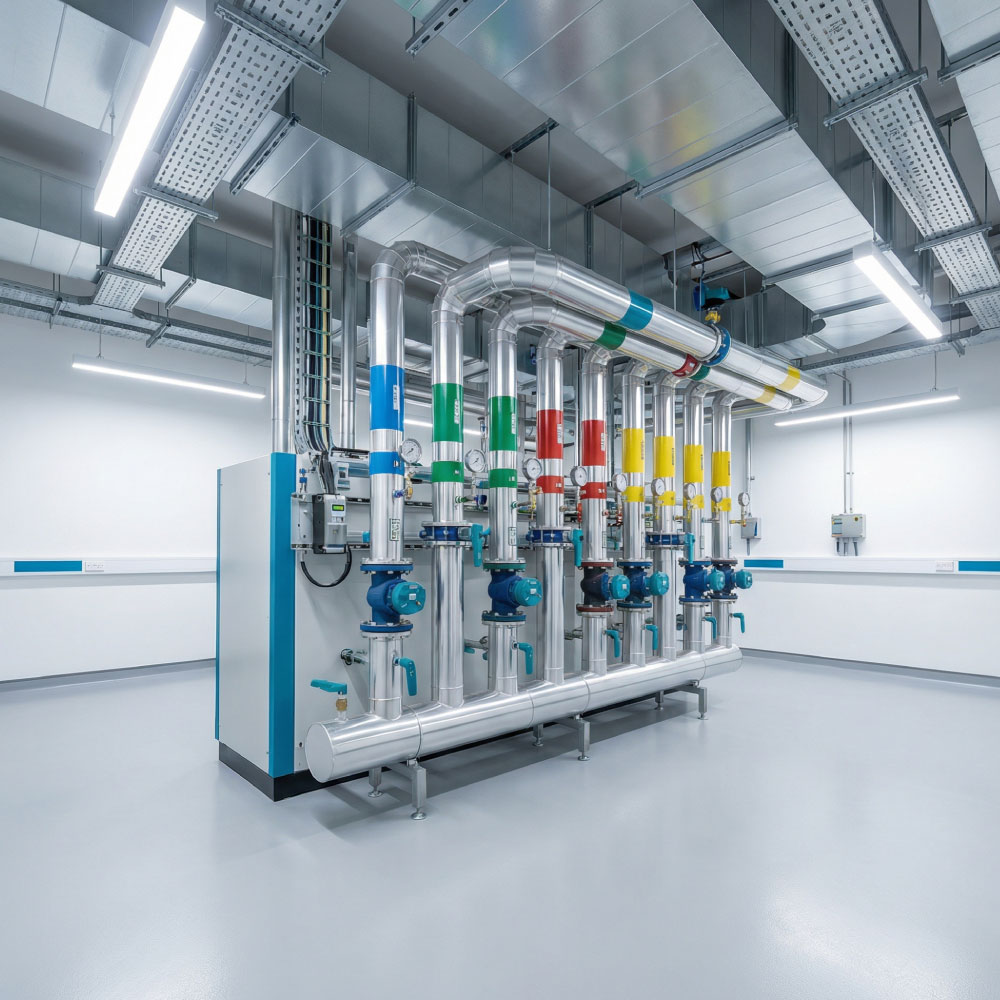
Integrated MEP
Risk & Governance
Quality & Safety
Digital QA
Social Value
Responsible Supply Chains
Long-Term Partnerships
Evidence-Based Delivery
People First
Continuous Improvement
Construction & Fit-Out
Healthcare Expertise
Integrated MEP
Risk & Governance
Quality & Safety
Digital QA
Social Value
Responsible Supply Chains
Long-Term Partnerships
Evidence-Based Delivery
People First
Continuous Improvement
Trusted partner for live, critical projects
Built for live environments
Our business is shaped around working in hospitals, offices and operational sites where downtime is not an option.
One integrated team
Construction, MEP, healthcare specialists and consultants working together so design and delivery stay aligned.
Proven in complex estates
Decades of experience across acute hospitals, life sciences, logistics and commercial portfolios across the UK.
Programme and risk control
Two stage planning, live risk registers and clear governance that turn complex programmes into manageable steps.
Quality and compliance
HSEQ and regulation built into the process with digital QA and evidence so sign off is straightforward.
People who care
Pragmatic teams who listen, communicate plainly and stay visible from first brief through to handover.
Peace of mind on every project



live projects delivered
From early options to final sign off we stay close to the detail. Programmes are challenged, risks are owned and tracked and change is controlled. On site we pair strong supervision with digital QA so that quality is recorded not assumed. The result is fewer surprises, cleaner handovers and projects that stand up to clinical scrutiny, technical review and board level questions.
25

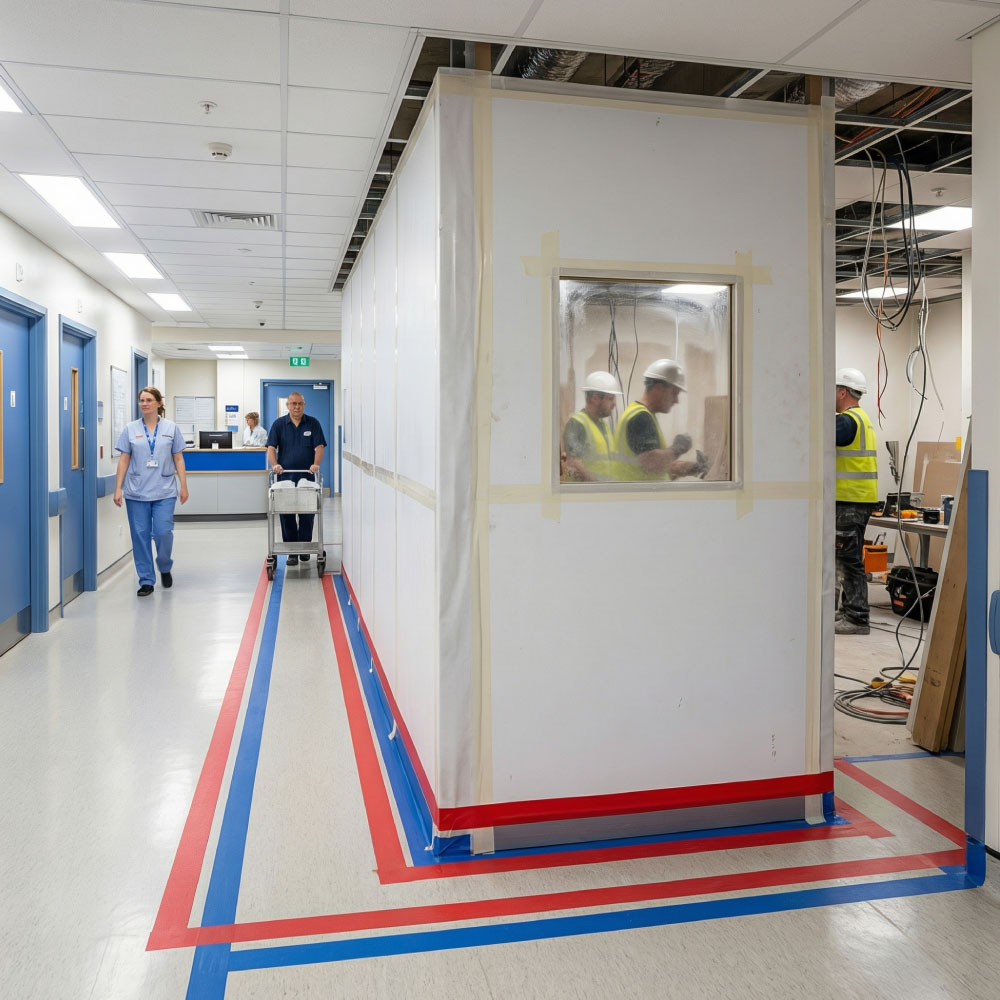
Live ward refurbishment delivered in night windows with red and blue routes and negative pressure—no unplanned disruption to care.
Deputy Director of Estates, NHS TrustTheir preconstruction and design management gave us clear gateways, risks and costs so approvals were swift and defensible.
Head of Capital Projects, Acute HospitalComplex MEP changeovers were planned in detail with temporary supplies and rollback plans—delivery finished clean and ahead of programme.
Engineering Manager, Teaching HospitalProgramme control and commercial oversight across multiple packages kept our city centre regeneration scheme on track.
Project Director, Mixed Use DevelopmentTheir teams were visible on site, honest in progress reviews and proactive in solving issues rather than hiding them.
Operations Director, Logistics ClientFrom the first workshop to handover the same faces were at the table which built real trust with our clinical teams.
Chief Nurse, University HospitalFour disciplines, one delivery partner
Wellmens combines construction, healthcare, MEP and consultancy under one roof. We work across live and new estates so strategy, design, programme and governance pull in the same direction from day one.

Clear steps from brief to handover
Understand & shape
Objectives, constraints and stakeholders clarified so the brief reflects how your estate really works.
Plan & design
Feasibility, options, cost plans and coordinated design so schemes are robust before they go to site.
Deliver in live estates
Phasing, access and safety planned in detail so construction and MEP can progress while services continue.
Handover & support
Commissioning, training, digital records and soft landings so buildings perform from day one and beyond.
Everything you should know about Wellmens
- About Wellmens
-
What does Wellmens do?Wellmens is a construction and building services partner focused on live, critical environments. We combine construction, MEP, healthcare expertise and consultancy to plan and deliver complex projects in hospitals, offices, labs, logistics estates and other operational settings.Which sectors do you work in?We work principally across healthcare, commercial offices, industrial and logistics, life sciences and labs, data centres, education, mixed use regeneration and wider public sector estates.When should we involve Wellmens?The earlier the better. We add most value when we can help shape the brief, phasing, design and route to market, but we also regularly support schemes already in design or on site that need clearer control or recovery.Do you only work under one contract or framework type?No. We work through a range of frameworks and contract forms. We can advise on frameworks, traditional tender, design and build or PCSA-based approaches and fit in with your preferred governance and procurement route.How do you manage health, safety and quality?HSEQ is integrated into our process. We use clear procedures, competent supervision, digital QA, inspections and open reporting. In live environments we add specific controls for access, infection prevention, fire strategy and safeguarding patients, staff or the public.How does ESG fit into your work?We treat ESG as practical actions: embodied and operational carbon, energy and water performance, social value, responsible supply chains and governance. These are reflected in our design and construction decisions, not just policies.Do you replace our internal teams?No. We work alongside estates, clinical or operational teams, project management, finance and procurement. Our role is to provide extra capacity and specialist expertise, not to displace existing roles or responsibilities.Can you provide consultancy without building the project?Yes. Our consultancy and preconstruction teams can support with development strategy, feasibility, design management, cost and value reviews, programme planning and compliance as standalone commissions or as part of a wider delivery.Where do you work geographically?We primarily operate across the UK, with teams used to working in acute urban sites, regional hospitals and industrial and logistics locations. If you have projects outside the UK we are happy to discuss what is possible.How do we start a conversation about an upcoming scheme?You can reach us through the contact page or use the Book a site visit form. We are happy to have an early, no obligation discussion to understand your brief, constraints and timescales.